When we talk about right-wing extremism, it’s easy to assume young people are drawn in by ideology.
But for many young men, the pathway doesn’t start with hate.
It starts with loneliness.
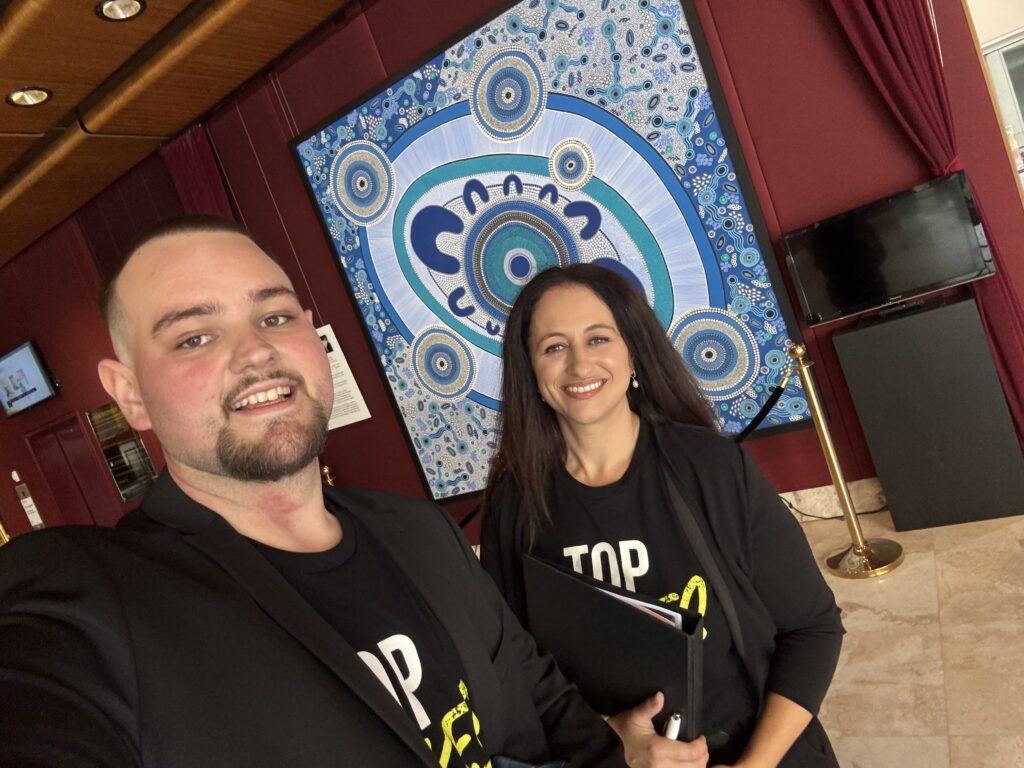
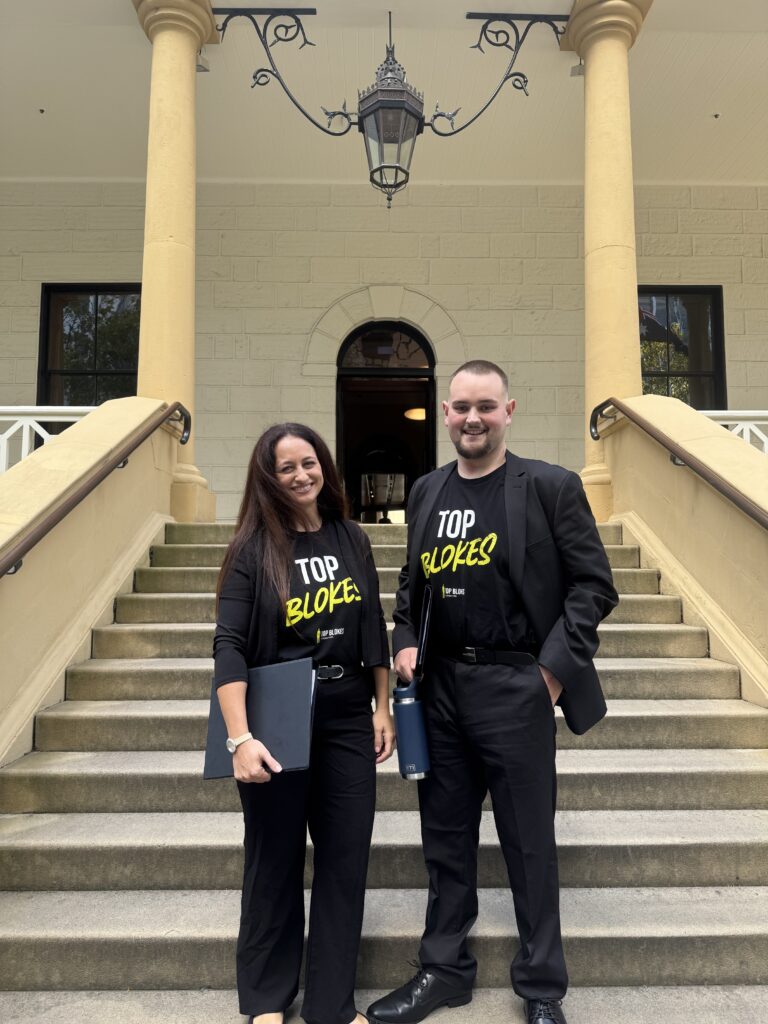
Today, Top Blokes Foundation is appearing before the NSW Parliamentary Inquiry into Measures to Combat Right-Wing Extremism to share what we see in our programs — and what young men are actually telling us they want and need.
Across NSW and QLD, we work with young males aged 10–24 through long-term mentoring programs delivered in schools and communities. Our focus is on connection, critical thinking, identity, and wellbeing. These are the foundations that help young men grow into respectful and resilient adults.
The pipeline isn’t always obvious
Young men are not logging on looking for extremism. They’re logging on for humour, community, entertainment, and connection.
But the systems they enter are designed to escalate content, leading to rewarding outrage and pushing increasingly polarising material.
Top Blokes’ experience reflects what the research shows: right-wing extremism among young males is often decentralised and algorithm-driven. Recruitment is rarely a sudden leap into ideology. Instead, it can be gradual and relational, pulling young men in through content that reinforces stereotypes, fuels anger, and normalises misogyny.
This is why prevention matters. The pathway begins long before extremist beliefs become entrenched.
“Young men aren’t searching for extremism. But simply by being a young man online, you’re routinely exposed to polarising content about masculinity, race and identity. And it’s often automatic.” — Hayden McCullough, Youth Worker, Top Blokes Foundation
Misogyny can be a gateway
One of the most concerning patterns we see is the link between online misogyny and radicalisation.
Misogynistic content can act as a “soft entry point,” especially when it’s disguised as humour, banter, gaming culture, or “edgy” opinion videos.
Without trusted adults to unpack this content with, it can slowly shape how young men view women, different cultures, and even their own identity.
Loneliness creates the conditions extremists exploit
Loneliness and social isolation are significant risk factors for radicalisation. Adolescence is a time when identity is still forming. When a young man feels disconnected, uncertain, or excluded, he becomes more vulnerable to narratives that offer certainty, belonging, and someone to blame.
The early warning signs are often visible in schools and community settings. Schools partnering with Top Blokes have raised concerns about increases in racist language, polarised thinking, and misinformation among male students.
“Right-wing extremism doesn’t emerge in a vacuum. It often grows in the space where young men feel isolated, unsure of who they are, and disconnected from real support.” — Melissa Abu-Gazaleh, Founder and Managing Director, Top Blokes Foundation
The good news: Prevention works
Our work directly addresses the early risk conditions that underpin vulnerability to right-wing extremism: loneliness, identity disruption, and exposure to harmful online content.
And the outcomes are measurable.
Across recent programs delivered under social cohesion and countering violent extremism funding, Top Blokes has supported hundreds of young men and recorded:
58–69% improvement in social behaviours and connectedness
66–75% improvement in critical thinking and decision-making
These wellbeing outcomes are also protective factors against radicalisation.
Extremist recruitment thrives in isolation. But when young men are given safe spaces to reflect, challenge ideas, and build confidence in their values, they don’t drift toward extremism. They build resilience against it.
Part of the solution
Young men want guidance. They want strong role models. They want a chance to think critically about what they are consuming and how it is shaping them.
They also want to be involved in decisions that affect their lives.
Top Blokes’ Youth Ambassador Council is one example of young men stepping up – providing lived experience insights into what works, what doesn’t, and what young males truly need.
If we are serious about preventing right-wing extremism, we must invest in long-term, community-led prevention approaches that strengthen belonging, identity, and critical thinking.
Because the most effective way to combat extremism is to prevent it before it takes hold.