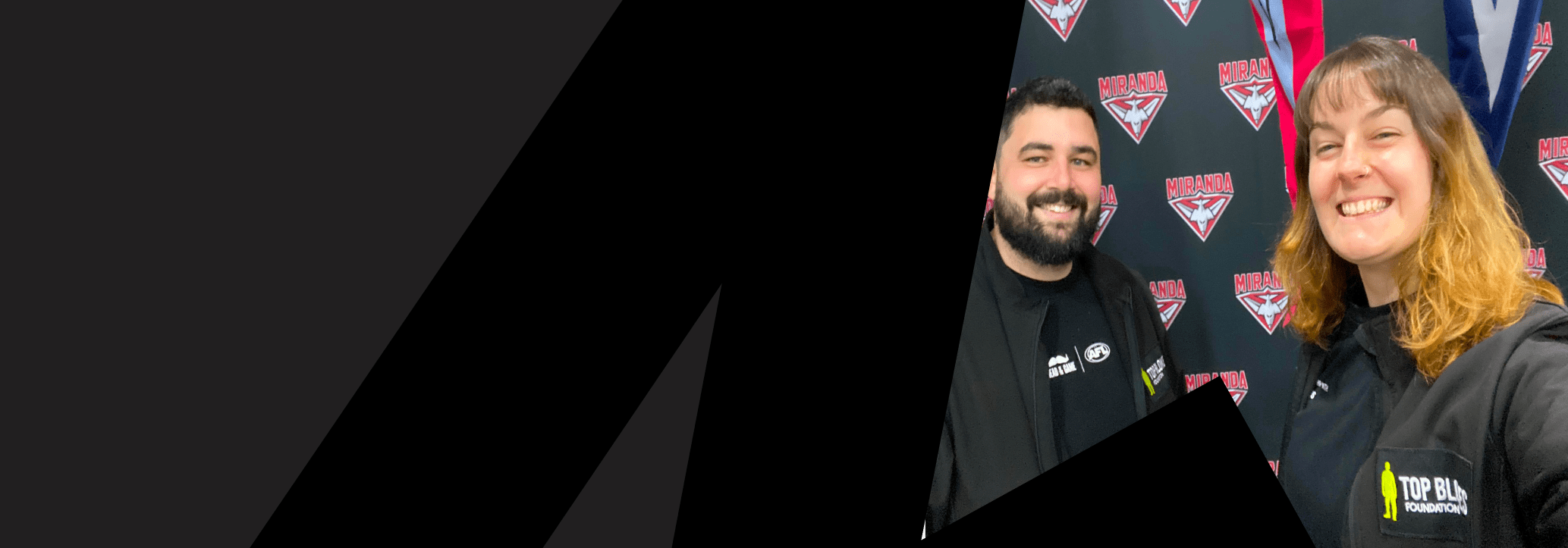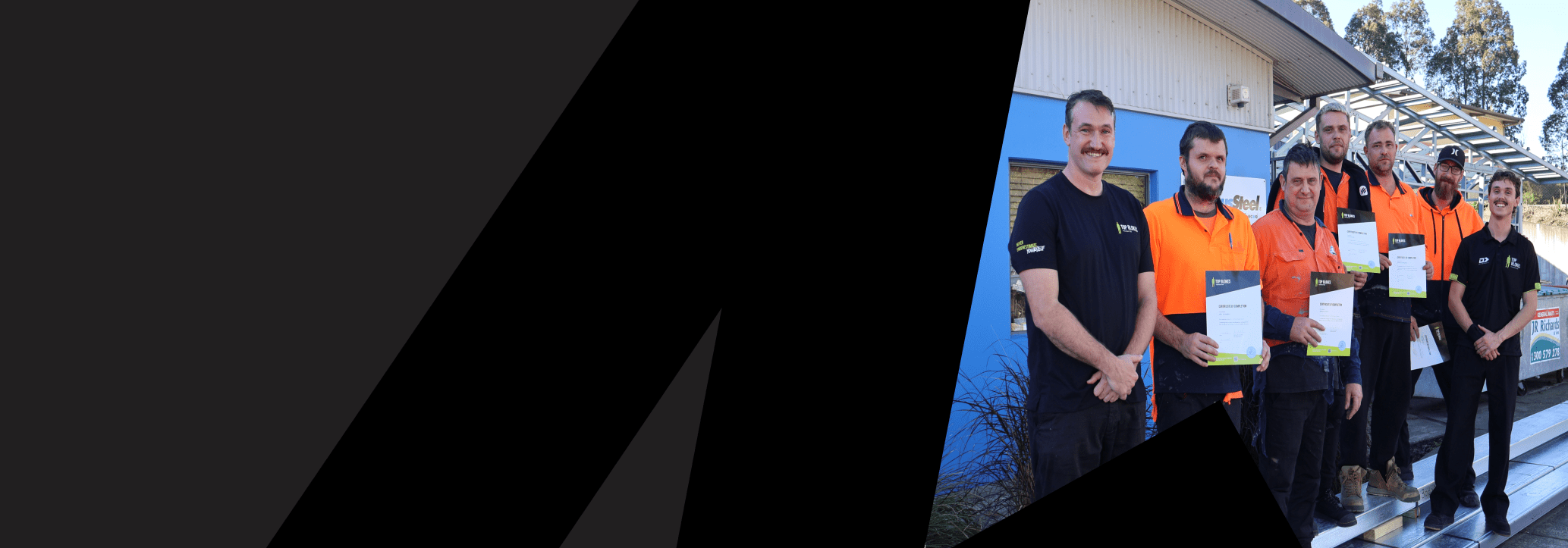
Every day Keely sees what can happen when boys are given a safe place to talk, feel heard and support one another. She’s one of our Youth Workers and mentors based in the Illawarra region. We caught up with her to find out why she’s taking part in Lift the Load for Mental Health this year and why she wants others to join her.
Keely, for anyone who hasn’t heard of it, what is Lift the Load?
Lift the Load for Mental Health is a challenge that gets you moving for your own mental health while helping young men build the tools they need to look after theirs.
Throughout October, you carry 10kg for 50km. You can walk, run, roll, skate, hop however it is that you move yourself forward. We all know getting outside and moving your body can be great for your mental health. But this challenge has a reason behind every step.
The 10kg vest represents the weight poor mental health can place on someone. Sometimes it can feel like there’s a heavy load sitting on your shoulders, pulling you down or holding you back from doing the things you enjoy and spending time with the people you love.
By taking on that weight and raising funds along the way, you’re helping boys and young men aged 10–24 access Top Blokes mentoring programs.
So, in a way, you’re carrying some extra weight to help a young man learn how to carry less.
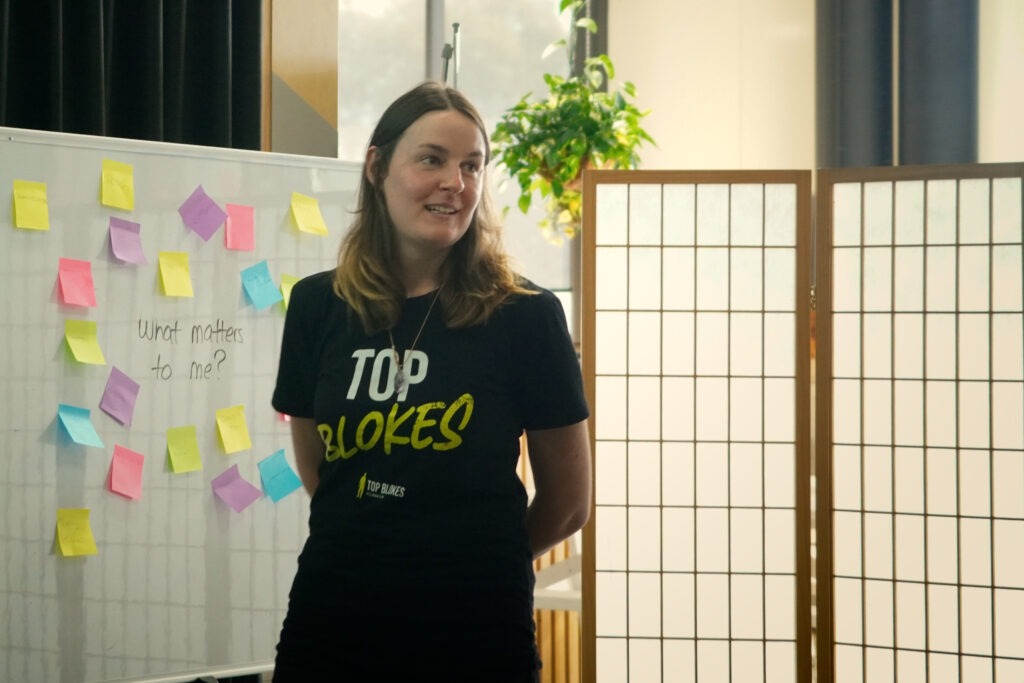
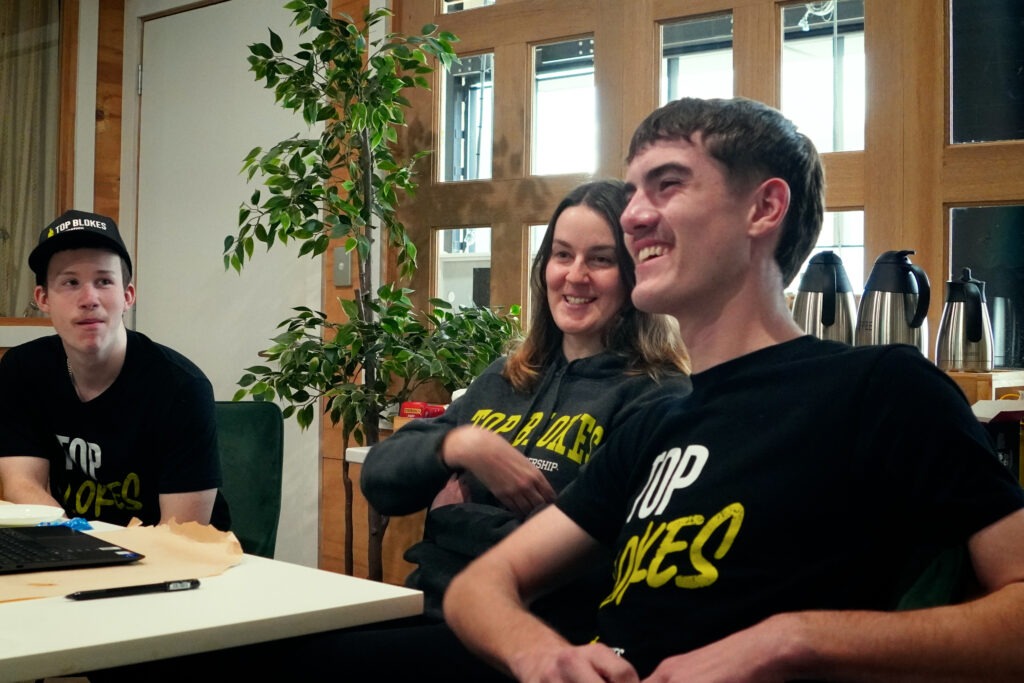
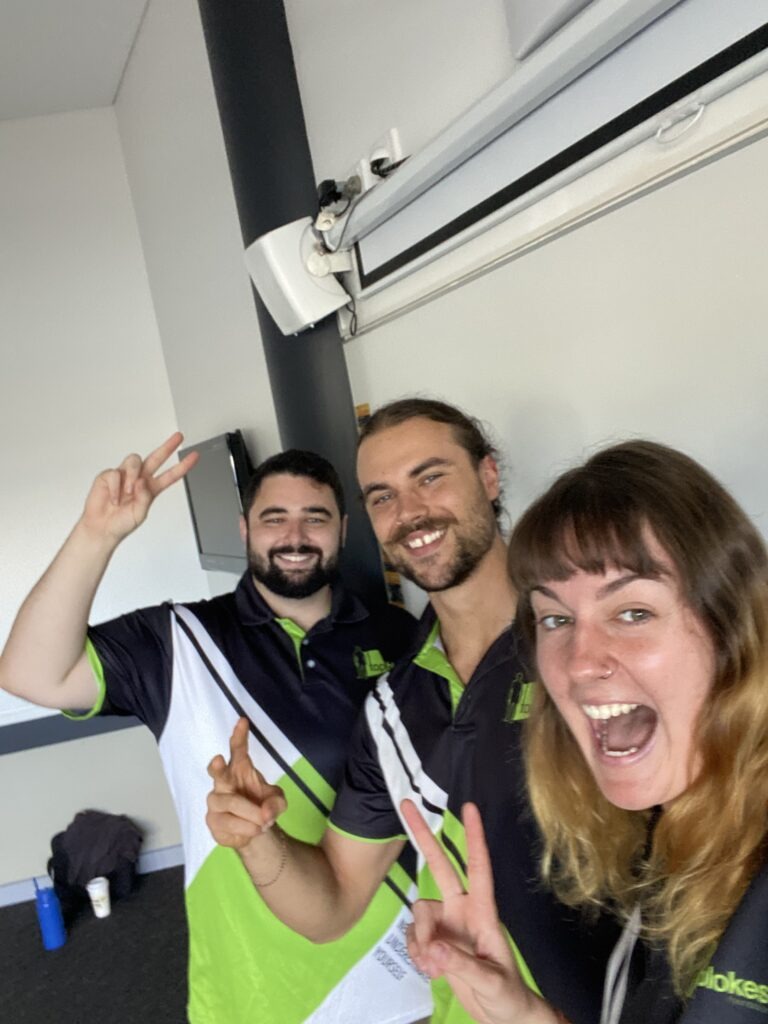
You see the work those funds support every day. What does that look like?
Working as a Top Blokes mentor has helped to solidify my beliefs that people are inherently good, and that shows when given the chance. I’m genuinely so privileged to see the day-to-day impact. Sometimes this can feel small, but as the impact builds, it ultimately keeps the young men we care about on a path that is clearer for them.
It could be a group of Year 9 boys whose principal or year adviser tells us they’ve had fewer detentions or suspensions since starting the program.
These boys had somewhere where they could open up, share their thoughts and ideas, and support each other. They’ve had the chance to explore their choices and understand the impact those choices have on themselves and the people around them. And the teachers saw this shift in how they show up and behave at school.
Or the group of 14 year old boys lined up to shake our hands at the end of a workshop on healthy relationships.
They thanked us for having that conversation with them. They openly told us that many students in their school wouldn’t learn this stuff until someone was already in trouble and it was too late.
When we give these boys encouragement, those conversations matter. They are important.
Are there any particular moments that have stayed with you?
There’s plenty. And it really is the little moments that stay with you.
I remember the parent of an 11 year old boy approaching us at his Top Blokes graduation.
Her son had never opened up to anyone about what it felt like to not have his dad around. But during the program, he turned to another boy in the group and spoke about it.
That might sound like a quiet moment, just mentioning it. But it was that small step that put him out of his comfort zone and reinfored to him that he was safe to do so.
He had found a space where he knew his feelings would be accepted and he wouldn’t be judged. He realised he wasn’t alone.
Another boy who started the program, who was reserved and quiet at the beginning of the program, slowly found his voice.
When he did speak, he had incredible insight and thoughtfulness. Since then, he has gone on to represent the voices of young men in much larger settings.
He didn’t suddenly become a different person. We gave him the space and support to believe in himself. He was given time to form his own thoughts, patience while he found the words, and encouragement when he was ready to share them.
What have the boys you mentor taught you?
I once heard a young man say, “We’re not bad. We want to be good.” And that stuck with me.
The boys who go through our programs come from all walks of life.
On the outside, one might be playful while another is serious. One might speak up quickly, while another sits back, listens, and takes everything in. Some are full of energy. Others are more reserved.
And when you give them the opportunity to talk honestly about their lives, you see how thoughtful, funny, caring and kind they are.
But what I’ve also learned is that young men often wear a mask. They might feel pressure to fit in, show face, laugh things off or act as if nothing bothers them.
And that pressure can come at a cost.
Poor mental health doesn’t always look like someone asking for help. It can look like anger, withdrawal, risk-taking, shutting down or saying, “I’m fine,” when they’re carrying far more than anyone realises.
And while it can be difficult for them to get to a point where they take the mask off, it’s not impossible.
Why is early support so important?
Because if they can find a space where they can be vulnerable and talk about their experiences without judgement, then they can be supported through the choices they make.
We can’t wait until a young man reaches crisis point before we decide he needs support. That should be given beforehand.
We know that more than two in five young men aged 18–24 have recently experienced symptoms of depression.
Research has also tells us that one in five young males has thought about hurting themselves or taking their own life at some point.
And almost three in four young Australians aged 10–24 who died by suicide were male.
The need is urgent, but it isn’t always visible.
Breaking the silence around mental health is an important step. But young men also need safe spaces, trusted people and practical tools they can use when life gets difficult.
That’s what Top Blokes programs provide.
We help boys and young men talk about what they’re carrying, strengthen their relationships, understand their emotions, ask for support and build a stronger sense of who they are.
You’ve worked alongwide hundreds of boys and young men. What’s something you wish adults knew?
That it’s the little wins that count.
We’re not always going to see the grand moment when boys become incredible men. That man is built over time in the smaller gestures and moments.
The question he asks you tells you he feels comfortable asking a question.
The comment or story that makes you laugh tells you he’s got a great sense of humour and can make people happy and laugh.
The smile he gives you in response tells you he is listening. He knows what it feels like to be cared for and he has the kindness to give that back.
Look for the little things, and you will see what we see.
What would you say to someone who is thinking about joining Lift the Load?
Do it. You don’t need to be the fittest person in the room. You don’t need to run the whole thing. And you definitely don’t need to do it perfectly.
You have the entire month of October to complete your 50km. Walk before work. Head out with a mate. Take the family. Break it into small chunks. Move in whatever way works for you.
Every time someone asks about the vest, it can start a conversation. And every dollar you raise helps give a young man somewhere to talk before the weight becomes too heavy.
Breaking the stigma around mental health and talking about it, is a great step towards breaking the cycle of s losing men in our lives. Not only to suicide, but to the fog that poor mental health can create – a fog that can suffocate that cheeky playfulness and kind heart that we all know and love in the men around us.
The Top Blokes program and our team of qualified mentors gives a young man the space to talk, feel heard and build the tools to support his mental health. When you sign up and help Lift the Load, you’re lifting the load on your own mental health. And you’re also helping hundreds of young men take part in the program and nurture that cheeky, playful and curious side of who they are.
Thank you Keely for everything you do to support boys and young men.
Lift the Load for Mental Health this October. Carry 10kg for 50km and raise funds to support Top Blokes mentoring programs for boys and young men aged 10–24.