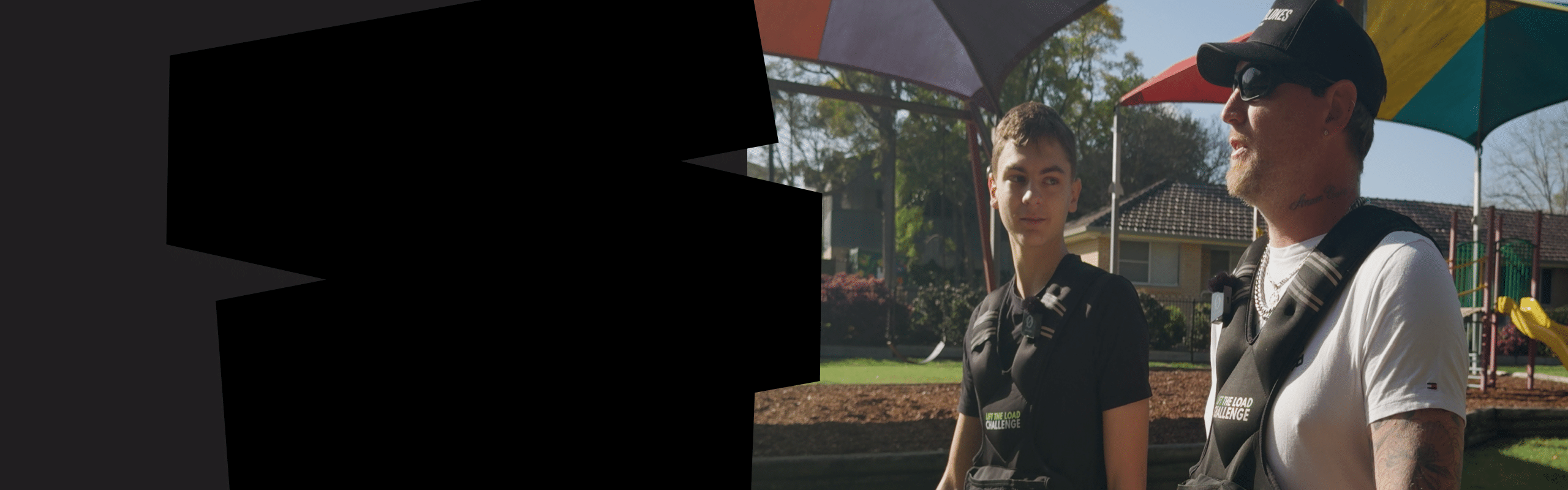
Michael is a youth worker and Regional Coordinator with the Top Blokes Sydney team. Every week, he sees what can happen when boys and young men are given consistent space to talk, reflect and be heard. We spoke with him about why Lift the Load for Mental Health matters to him, the impact he sees in the classroom, and the work that continues long after the vest comes off.
Michael, for anyone who hasn’t heard of it, what is Lift the Load?
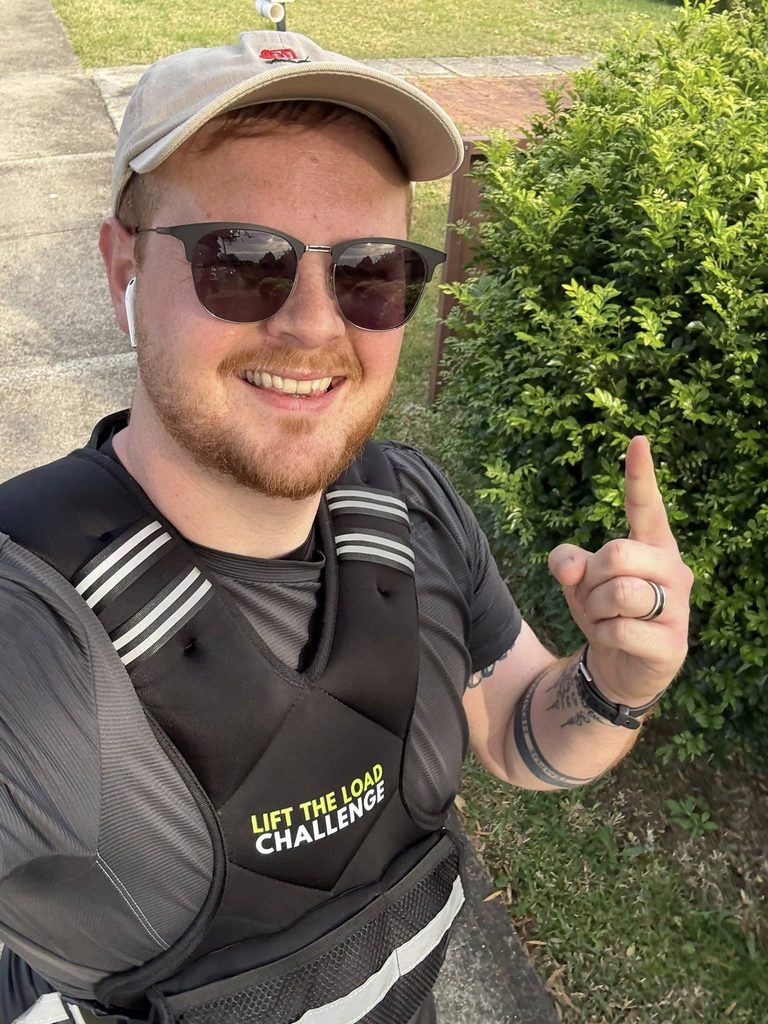
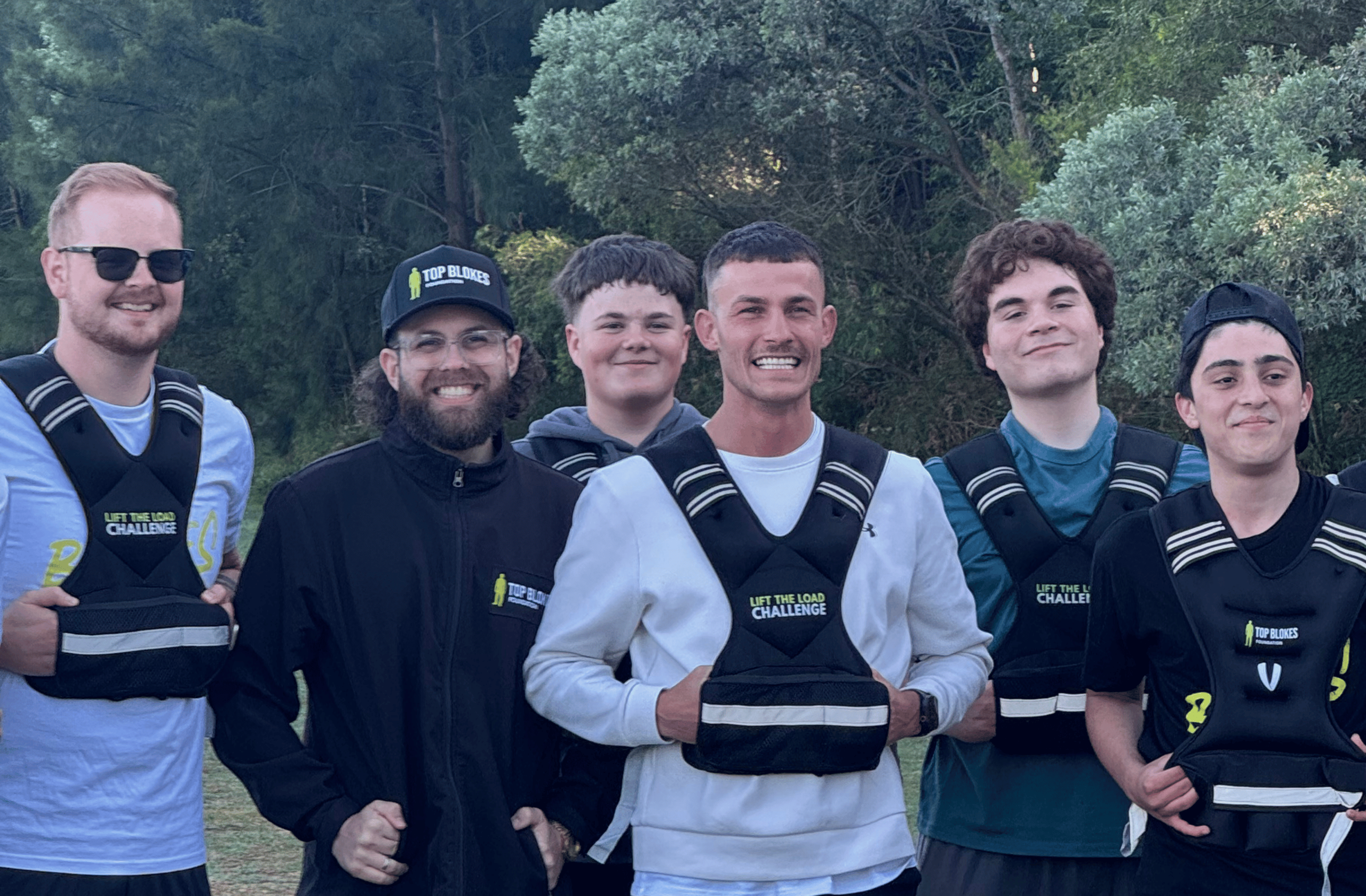
Lift the Load challenges you to walk 50 kilometres throughout October while wearing a 10-kilo vest.
The vest represents the weight of poor mental health. So the weight that people carry with them when they suffer from pressure, silence, shame, loneliness or poor mental health.
This is the weight young people can carry that others cannot see.
Funds raised support the programs we run, helping us reach as many young men as possible and continue growing and mentoring the next generation.
You see the work those funds support every day. What does that look like?
It helps us reach and connect with as many young men, schools and communities as we can. It means we can keep showing up week after week, creating a culture of safety and consistency where trust and connection have time to grow.
One thing we always talk about with boys is their circle of influence. What they learn at Top Blokes doesn’t just stay in the room. It impacts the people around them, too. They can influence their younger or older siblings, their cousins, their friends, their family, and their future relationships.
For example, a young man might learn to communicate more openly so he handles disagreements with his family in a better way without shutting it down. That then changes the way he connects with those around him and how he shows up for his mates. Others in the group see that and practise those behaviours too.
We’re not just supporting the boys in the program. We’re actually impacting the people around them in their own communities. We’re making a bigger change than just that one young man’s life. Our impact ripples through his relationships, his school and his community.
Are there any particular moments that have stayed with you?
Yeah, there are a couple that really stand out to me.
One young man told me it felt like he had a dad again. That has always stayed with me. Some young men don’t have a consistent male role model they feel comfortable opening up to, so being someone who keeps showing up, listens and backs them can mean a lot.
Another young man came into the first two sessions as one of the “cool kids.” He was disruptive, would rather have been outside playing sport and felt like he already knew the answers. Three or four weeks into the program, we started talking about alcohol and drugs. He reflected on how they had affected people in his family and changed his family relationships. By sharing that honestly, he helped set the tone for the whole group. The other boys saw that this was a safe space and began opening up about their own experiences too. That was a real standout moment.
A change I see more often is a young man who starts the program withdrawn or displaying challenging behaviour and, over time, becomes one of the leaders in the group. Even more, I see that some of those boys are now prefects, school captains or just being good people in their communities and living up to their values.
What have the boys you mentor taught you?
They’ve taught me not to assume we know what’s going on beneath the surface.
Every young man has his own story, and sometimes the boys who appear the most disengaged, withdrawn or challenging are the ones who need connection and someone to genuinely listen to them the most.
There is usually something underneath challenging behaviour. It may be the only way a young man knows how to communicate what is going on.
They’ve also taught me to be patient and be willing to meet them where they’re at.
Why is early support so important?
A lot of what we talk about in our programs and workshops is designed to prepare young men for challenges and decisions they are likely to face at some point in their lives.
We give young men the skills to navigate that and understand the potential consequences and risks of what can happen.
Being able to have those conversations before they reach a crossroads is really important. Our mentors can share lessons from their own lives, including times we have learned things the hard way.
Everyone’s going to face some sort of challenge and have to make decisions. We don’t expect young people get every decision right – that’s unrealistic. But if we can give them as many skills as we can, we can help them make better, healthier decisions, that can make a big difference.
You’ve worked alongside hundreds of boys and young men. What’s something you wish adults knew?
To look beyond the behaviour. A boy who’s maybe angry or disengaged or constantly joking around might be communicating something he doesn’t have the words to say, or hasn’t found a way to say it yet.
Young men want to be heard and understood. Young men have a voice as well; they have ideas, opinions and experiences they want to share, and they need safe ways to do that..
They may not express what they feel or need in the way adults expect or immediately recognise.
What would you say to someone who is thinking about joining Lift the Load?
Get involved!
Every bit of funding we receive allows us to reach more young men in our communities.
I’ve done Lift the Load before and I’m doing it again this year. I really enjoy doing it. The personal gains are great, health-wise, getting out and doing exercise.
But also knowing that you’re impacting the lives of so many people. That’s really fulfilling.
Thanks, Michael, for everything you do to support the young men in your local community.