Vin, for anyone who hasn’t heard of it, what is Lift the Load?
Lift the Load for Mental Health is a month-long challenge to wear a 10kg vest and walk or run 50km across October. It symbolises helping lift the weight of mental health that young men around us in our community carry every day.
You see the work those funds support every day. What does that look like?
I see young men who are given the opportunity to be authentic, seen, accepted and to learn skills to take on the challenges that life brings.
The influence the boys in our room have on each other definitely extends to their community in a really positive way.
I’ve seen a young man speak at a Top Blokes graduation, where he encouraged the new graduates to take on the things that Top Blokes talks about. He reflected on how the knowledge he learned in the program had helped him help his friends. He shared that since doing Top Blokes he now encourages his friends not to take certain risks when they are out together. Those friends would text him the next day to thank him for keeping them safe, adding that they felt they would have made a terrible decision if he hadn’t told them.
Maybe it’s knowledge, kindness, respect, or the attitude we lift in the program, but ultimately, for that boy, Top Blokes gave him tools to support himself and his mates.
Top Blokes doesn’t say there’s a certain way to do things. It’s about guiding young men to the best, healthiest, and safest way for them. We give young men the knowledge rather than telling them yes or no, or what’s right or wrong.
Young men learn best from their own experiences and their own values to know what’s right for them. In Top Blokes, we give them a safe space to explore, ask questions, and try different ways of behaving, with someone reflecting their choices back to them.
Then, when they go out into the real world, they’re better equipped to make healthier choices for themselves and the people around them.
Are there any particular moments that have stayed with you?
One boy who originally entered Top Blokes was completely disengaged. He sat in the back of the room, had his head down, and didn’t speak much.
Throughout the session, we tried to include him by offering him a space at the front and kept talking with him, even though he wasn’t involved the way we’d hoped.
Over the session, he slowly made his way to join the group, and by the end he was talking with the group. The next week, he greeted us enthusiastically and kept contributing. As a Top Blokes mentor, I can give young men the space and validation to show up however they want. This gives them space to show their capable selves and, from there, feel encouraged to start doing wonderful things moving forward.
I’ve seen boys who were putting on a mask when we first met them and hiding vulnerable sides of themselves. These boys then start to share personal things with us and the group, which, to me, shows these boys see Top Blokes as a space to feel comfortable and supported. I see them be honest with themselves, take steps to better themselves, and grow the love and connection they have with themselves and the people around them.
I remember one boy in particular who, when he was asked why he thinks he in Top Blokes, he said he felt like he was “the worst in the grade” and that really stuck with me. As we welcomed him into the space and gave him opportunities to talk and ask questions throughout the topics, we saw that he was respectful, open and patient. Appreciating him for being him gave him the space to grow his curiosity, confidence and self-esteem.
Sometimes young people have already decided who they are based on what they’ve been told, how they’ve been treated, or what’s happened at school. Giving him a space where we could recognise the good things in him gave him a chance to start seeing those things in himself, too.
What have the boys you mentor taught you?
They taught me a couple of things.
To put more trust and patience into the individuals who are in front of me. Everyone is unique. And whatever behaviours they initially bring into the room, beneath that is a curious, kind, and respectful young person willing to open up and be vulnerable.
Young men want to be heard, and when we give them the space to talk to actually be heard, then they share more of those parts of themselves, which role models for those around them to do the same.
Typical behaviours we expect, like listening, contributing positively, and giving space for young men to reflect, aren’t always the best outcome for that individual.
The best outcome for me is knowing that I have given them space to grow in their own unique way.
Why is early support so important?
Every boy is different. They might come into the room with certain behaviours, but underneath that there’s often a curious, kind and respectful young person who wants to be heard.
I’ve learned that when you give young men the space to actually talk — and really listen to them — they start to share more of themselves. And when one person feels safe enough to do that, it can give others permission to do the same.
It’s also changed what I think a “good outcome” looks like. It’s not always the boy who listens the most, contributes the most or says exactly what you hope he’ll say.
Sometimes the best outcome is simply knowing that you’ve given a young person the space to grow in their own way.
Ultimately, the small decisions they make along the way can have a really big impact on them in the long term. Whether that’s decision-making, self-esteem, capacity to socialise or engage, regulating themselves, or recognising their or their mates’ mental health. They all matter, and the earlier we can support them, the better decisions they can make along the way.
You’ve worked alongside hundreds of boys and young men. What’s something you wish adults knew?
To parents – your young man is still your young boy.
He still needs to be seen, heard, and supported.
He’ll want more autonomy, but he’ll still need your guidance, belief in him and your love. He is growing and learning, and needs love, grace and patience to support him through those lessons. Those are the things that will help them succeed most.
What would you say to someone who is thinking about joining Lift the Load?
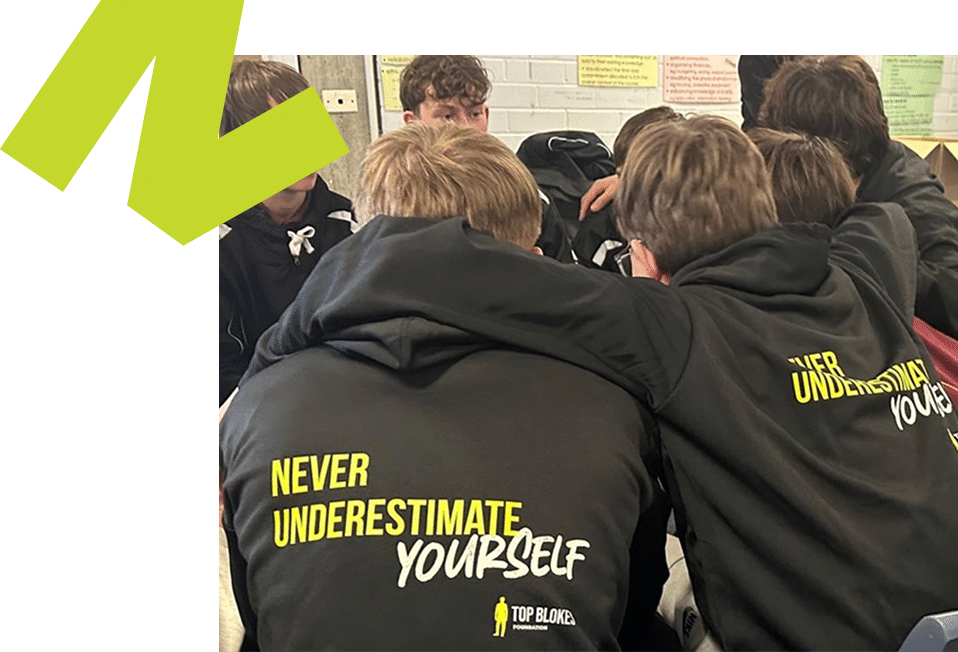
You stepping up makes more of a difference than you know.
By contributing to the work we do here, you help to foster the positive, respectful, open-minded, and curious minds of the young men we work with. That’s what we’re about, and you can be part of it could be too.
It may not be a difference that we see in front of us. It may not be the 10 out of 10 performance, the A+ grade, or coming first in the tournament. It may not happen in the short term. It may happen in the long term.
At the end of the day, we don’t remember people by their achievements, we remember them by their character and the influence they have.